The Influence of Loyalty Tier Structures on Game Selection Habits in Multi-State Casino Applications
Dana Vogel · Oct 1, 2026
The Influence of Loyalty Tier Structures on Game Selection Habits in Multi-State Casino Applications
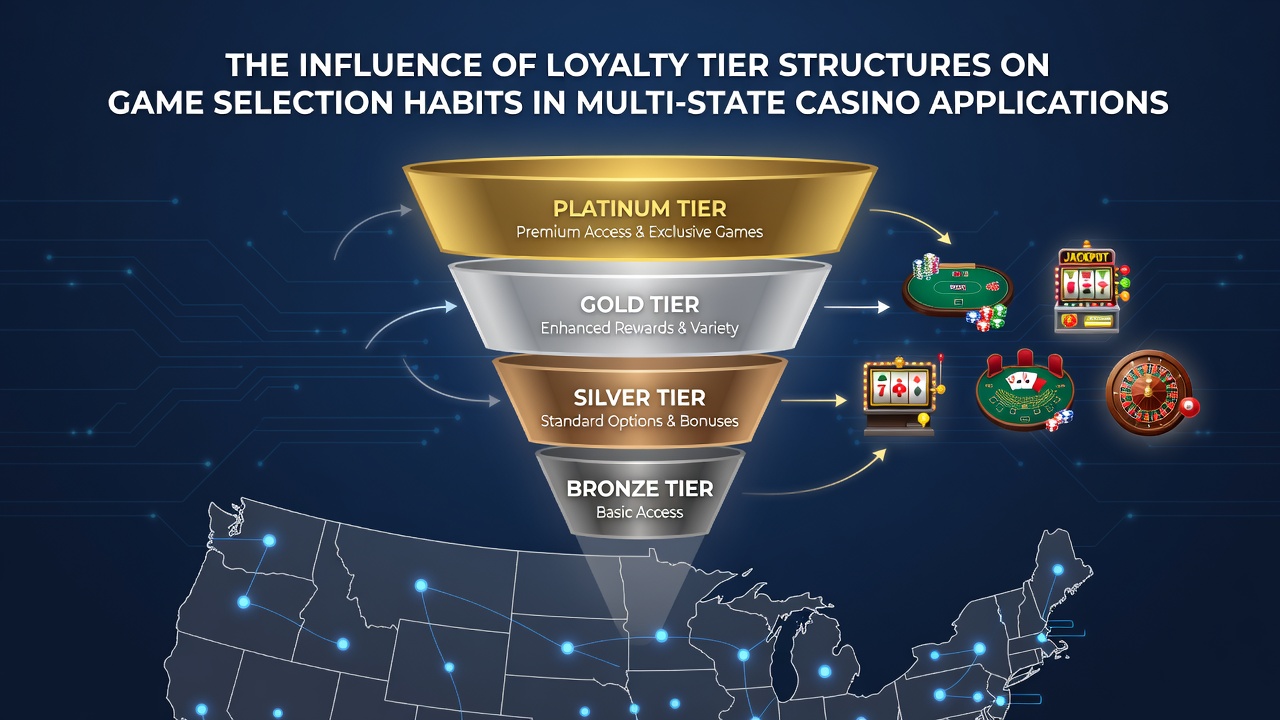
Multi-state casino applications have expanded rapidly since 2023, and loyalty tier structures within these platforms now shape how users select games across jurisdictions such as New Jersey, Pennsylvania, Michigan, and West Virginia. Data compiled by state regulators shows that players advance through bronze, silver, gold, and platinum tiers by accumulating points tied to wager volume and session frequency, which in turn unlocks tier-specific multipliers on rewards and access to exclusive game libraries.
Research from the University of Nevada, Las Vegas indicates that tier progression correlates with shifts in game preferences, particularly toward titles that offer higher point accrual rates per dollar wagered. Players in lower tiers often concentrate on high-frequency slot machines and video poker variants because these games deliver steady point accumulation without requiring large single bets, whereas those who reach gold or platinum levels demonstrate increased selection of table games and live dealer options that carry bonus point accelerators during promotional windows.
Tier Mechanics Across State Lines
Operators maintain unified loyalty ledgers that sync across state borders through shared player databases, allowing a user based in Pennsylvania to carry tier status into New Jersey sessions without resetting progress. The New Jersey Division of Gaming Enforcement reported in its 2025 annual summary that synchronized tiers increased cross-state play by 27 percent year-over-year, with participants favoring games that maximize point efficiency during travel between regulated markets. Points typically convert at rates of one point per dollar on slots and one point per two dollars on table games, creating measurable differences in selection patterns once users cross into higher tiers.
Observed Shifts in Game Selection
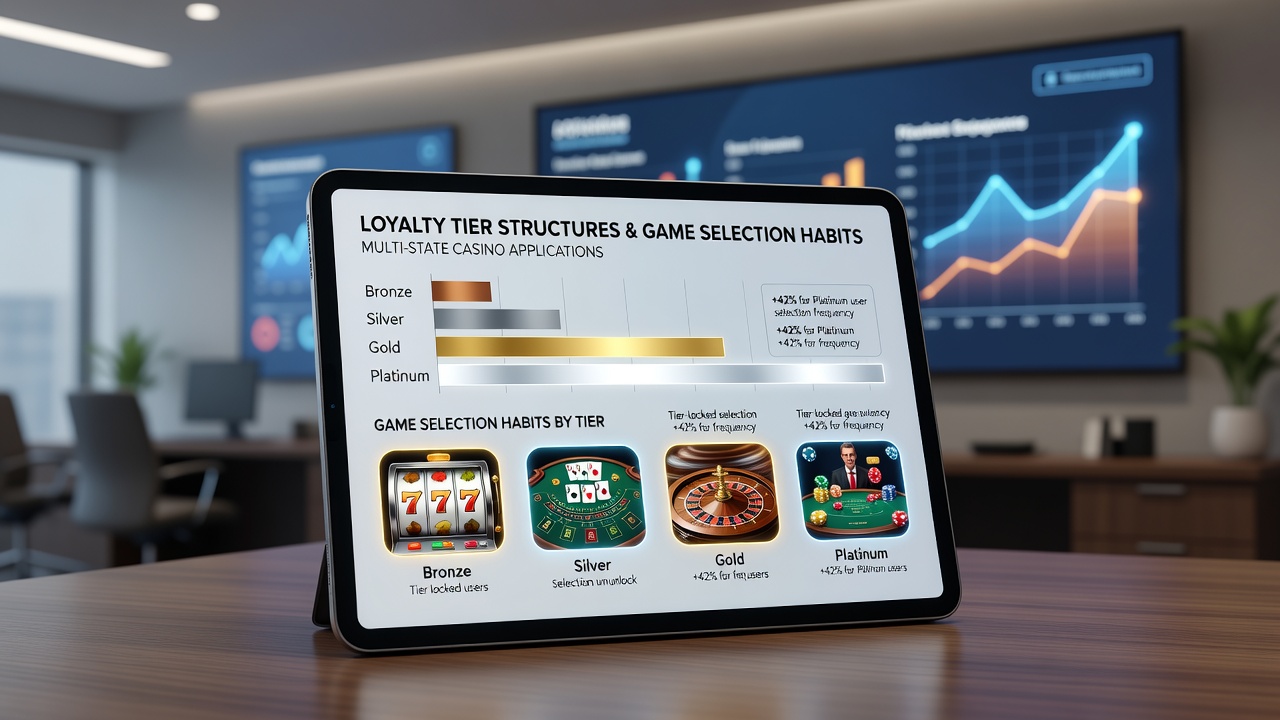
Analysts tracking app telemetry note that silver-tier users allocate approximately 62 percent of their playtime to slots with return-to-player percentages between 94 and 96 percent, while platinum users redirect 48 percent of activity toward blackjack and roulette variants that award accelerated tier points during limited-time events. These patterns emerge because higher tiers grant reduced wagering requirements on bonus funds and priority access to new game releases, prompting participants to adjust habits accordingly. Figures from the Pennsylvania Gaming Control Board for the first three quarters of 2026 confirm that platinum-tier sessions average 19 percent longer duration on table games compared with lower-tier sessions on the same titles.
What's interesting is how seasonal promotions intersect with tier benefits. In October 2026, several multi-state operators introduced double-point weekends exclusively for gold and platinum members on select progressive jackpot slots, resulting in documented spikes in those games' selection rates among eligible users while lower-tier players maintained prior preferences for standard-reward titles.
Data Patterns from Regulatory Reports
According to aggregated figures released by the West Virginia Lottery Commission, users who advanced one tier during the 2025 calendar year exhibited a 34 percent increase in live dealer game selections the following quarter. The shift occurs because higher tiers often include cashback percentages that scale with game type, favoring table games that carry higher house edges yet deliver superior reward multipliers. Observers tracking these metrics across Michigan's regulated market report similar trends, with platinum participants showing elevated engagement on baccarat and craps compared with their earlier activity logs at bronze or silver status.
Yet platform algorithms also influence outcomes. Recommendation engines within these applications surface tier-gated content first, steering users toward selections that align with the operator's point-generation goals. A 2026 industry report prepared by the Canadian Centre for Gaming Research documented that personalized game carousels increased selection of promoted titles by 41 percent among users two tiers above entry level, while entry-level players continued to browse broader catalogs before settling on familiar options.
Cross-Border Compact Effects
Interstate compacts signed in 2024 and 2025 standardized loyalty data exchange protocols, reducing friction for players who maintain accounts across multiple states. This standardization has produced clearer visibility into how tier status travels with the individual, prompting some users to concentrate play on games that preserve or accelerate advancement regardless of location. Data released by the Nevada Gaming Control Board for the period ending September 2026 shows that multi-state participants with synchronized tiers select progressive jackpot slots 22 percent more frequently during periods when those games carry temporary point bonuses unavailable to single-state users.
Researchers continue to examine whether these tier-driven preferences persist when promotions end. Preliminary findings suggest that once users reach platinum status, their game selection habits stabilize around titles that combine moderate volatility with consistent reward multipliers, rather than reverting to the higher-frequency, lower-stakes patterns observed at lower tiers.
Conclusion
Loyalty tier structures embedded in multi-state casino applications create measurable pathways that guide game selection through point economics and reward access. Regulatory data across multiple jurisdictions demonstrates consistent correlations between tier advancement and shifts toward table games or promoted slots, while cross-border synchronization further reinforces these patterns. As additional states finalize compact agreements, the influence of unified loyalty systems on player behavior is expected to expand in scope and detail.