Device Battery Constraints Guiding Session Lengths Across Portable Gaming Apps
Leon Flores · Sep 3, 2026
Device Battery Constraints Guiding Session Lengths Across Portable Gaming Apps
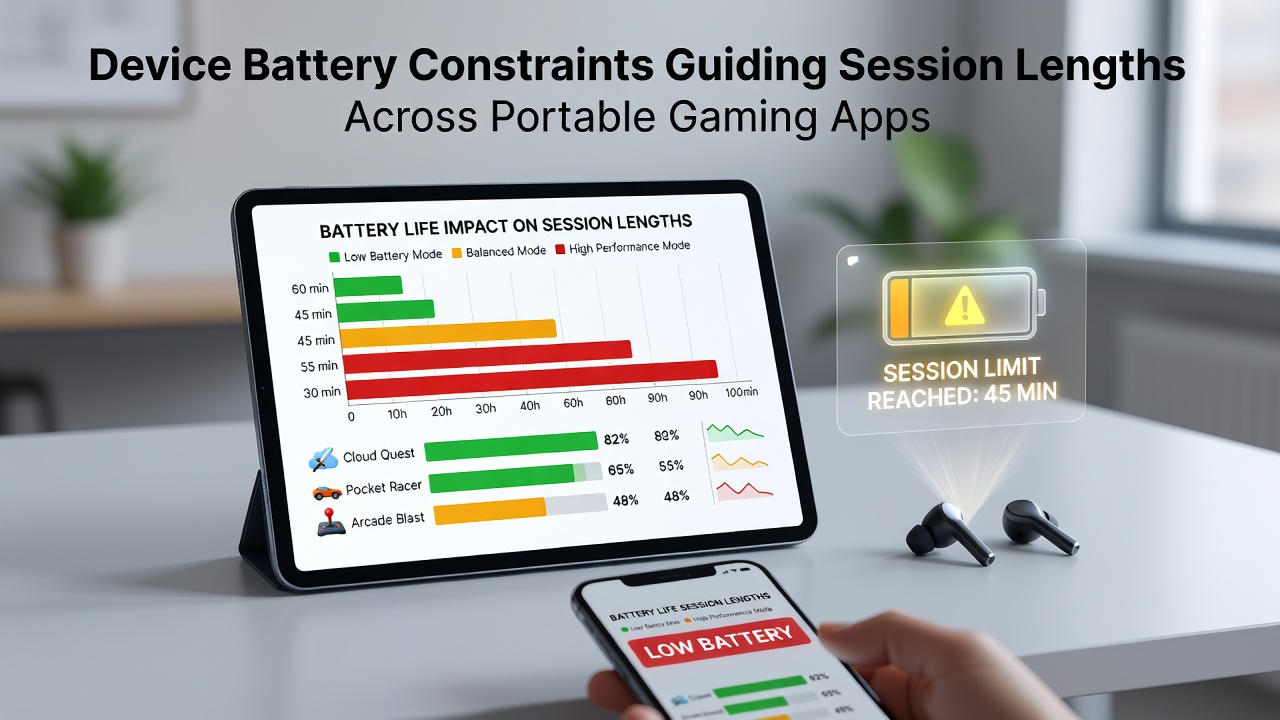
Portable gaming apps operate under the physical limits of smartphone and tablet batteries, and these constraints directly shape how long users engage with titles on the go. Battery capacity, screen brightness, processor demands, and network activity all combine to set practical boundaries on playtime, especially in resource-heavy categories like action games, simulations, and real-time multiplayer experiences.
Battery Usage Patterns in Mobile Gaming
Research from device testing labs shows that gaming apps rank among the highest consumers of battery power on modern smartphones, often drawing 15 to 25 percent of total capacity per hour under typical conditions. Graphics rendering, continuous data exchange, and background processes accelerate drain rates, while factors such as location services and push notifications compound the effect. Observers note that users on older devices with reduced battery health experience even shorter viable sessions, prompting many to monitor percentages closely before launching an app.
Studies conducted by university engineering departments have measured consistent differences across operating systems, with Android devices showing slightly higher average consumption in open-world titles compared with iOS counterparts under matched hardware specs. Data collected through crowdsourced battery analytics platforms reveals that session lengths shorten noticeably once a device drops below 40 percent charge, as players deliberately pause or exit to preserve power for essential functions like calls and navigation.
How Constraints Shape User Behavior
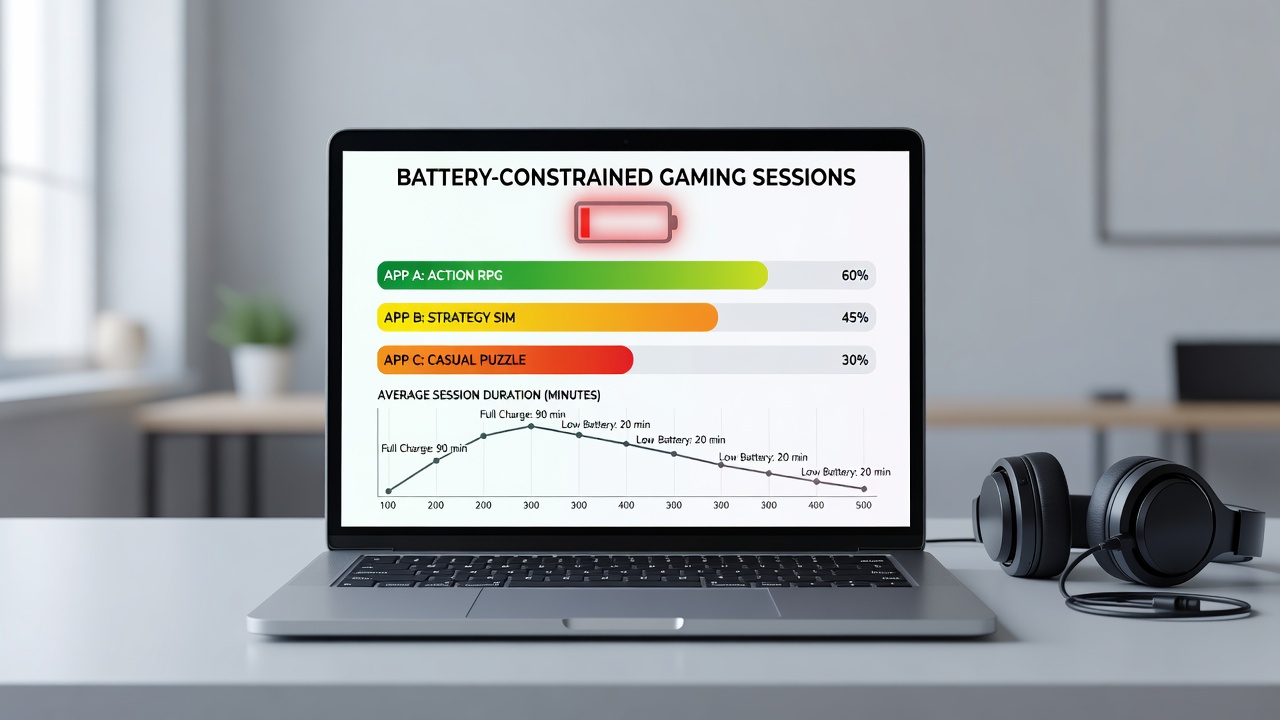
Portable gaming participants frequently adjust play habits around charging opportunities, such as commuting on public transit or waiting in airport terminals where outlets remain scarce. Figures from app analytics firms indicate average session durations in battery-intensive genres hover between eight and twelve minutes during unplugged use, whereas the same users extend sessions to twenty minutes or more when devices stay plugged in. Those patterns hold across regions, though analysts report modest variations tied to typical commute lengths and device upgrade cycles.
Game designers respond to these realities by incorporating optional low-power modes that reduce frame rates, dim displays automatically, and limit particle effects. Such features appear more frequently in titles released after 2024, reflecting developer awareness of real-world hardware limitations reported through user feedback channels and telemetry data.
Technical Optimizations and Industry Standards
Engine updates from major development platforms now include built-in tools for profiling battery impact during testing phases, allowing teams to identify and refactor high-drain code segments before release. Industry reports compiled by electronics trade associations highlight that apps adhering to these guidelines achieve up to 30 percent longer average play sessions on the same hardware compared with unoptimized releases. Manufacturers have also introduced software-level controls that cap background refresh rates for gaming categories, further extending usable time between charges.
Regulatory bodies in several jurisdictions, including the Australian Competition and Consumer Commission and Canadian digital standards offices, have begun reviewing app store disclosures around power consumption, encouraging clearer labeling that helps consumers anticipate session limits. These efforts align with broader device efficiency initiatives scheduled for expanded rollout in September 2026, when updated battery performance benchmarks are expected to influence certification requirements across multiple markets.
Data Trends and Regional Variations
Global usage statistics gathered through app store telemetry show that session lengths in portable gaming have stabilized rather than declined sharply, thanks to incremental hardware improvements such as larger cells and more efficient chipsets. Yet researchers at technical institutes across Europe and Asia continue to track correlations between battery age and reduced engagement, noting that devices older than two years demonstrate measurable drops in average play duration. Regional differences emerge clearly in markets with varying electricity reliability, where users in areas prone to outages plan shorter sessions or carry external power banks as standard accessories.
Academic papers published in mobile computing journals document how push-notification systems and social features can either shorten or extend sessions depending on implementation, since each alert triggers screen wake-ups that add incremental drain. Developers who batch notifications or offer user-controlled frequency settings often see steadier retention metrics in longitudinal studies.
Conclusion
Battery constraints remain a defining factor in portable gaming app design and user behavior, guiding everything from feature implementation to session timing. As hardware evolves and optimization techniques advance, developers and researchers continue tracking these limits to maintain engagement without exceeding practical power boundaries. Data through September 2026 and beyond will clarify whether emerging efficiency standards produce measurable shifts in average play durations across device generations and geographic markets.